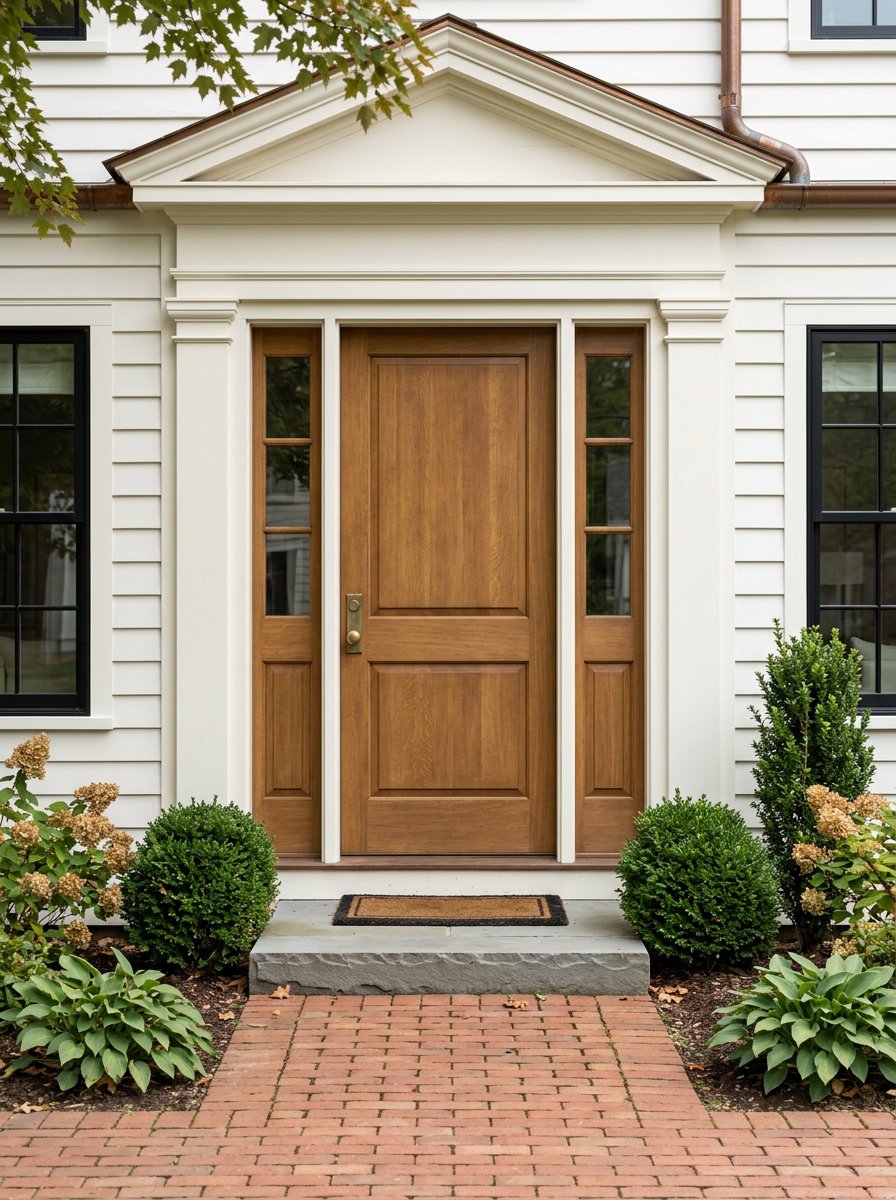
You love the character of an older home. Wide front porches, original millwork, and tree‑lined streets are exactly what draw you to Ho‑Ho‑Kus. The borough has a compact, walkable downtown and a commuter rail station that make daily life convenient. If you are considering a classic Ho‑Ho‑Kus property, you can absolutely buy with confidence by understanding the inspections, budgets, and permit basics that matter most. This guide gives you a step‑by‑step plan to evaluate charm and risk side by side. Let’s dive in.
Why classic Ho‑Ho‑Kus homes appeal
Ho‑Ho‑Kus is a small Bergen County borough with a village feel, about 1.7 to 1.8 square miles and roughly 4,000 residents. The town’s compact scale, mature trees, and historic core give it a timeless look and easy day‑to‑day living. The borough notes that much of its housing stock dates to the mid‑20th century and earlier, so you will see plenty of pre‑war and mid‑century options. The borough’s housing plan documents a median year built in the 1950s and a large share of homes older than 50 years, which aligns with what you see on the street. You can review the details in the borough’s housing element and fair share plan.
You will also find meaningful local history. The Hermitage, a Gothic Revival landmark, and other early stone and colonial‑era homes are part of the town’s identity. If you want to get a feel for that heritage, the borough’s page on The Hermitage is a great place to start.
What “classic” homes look like here
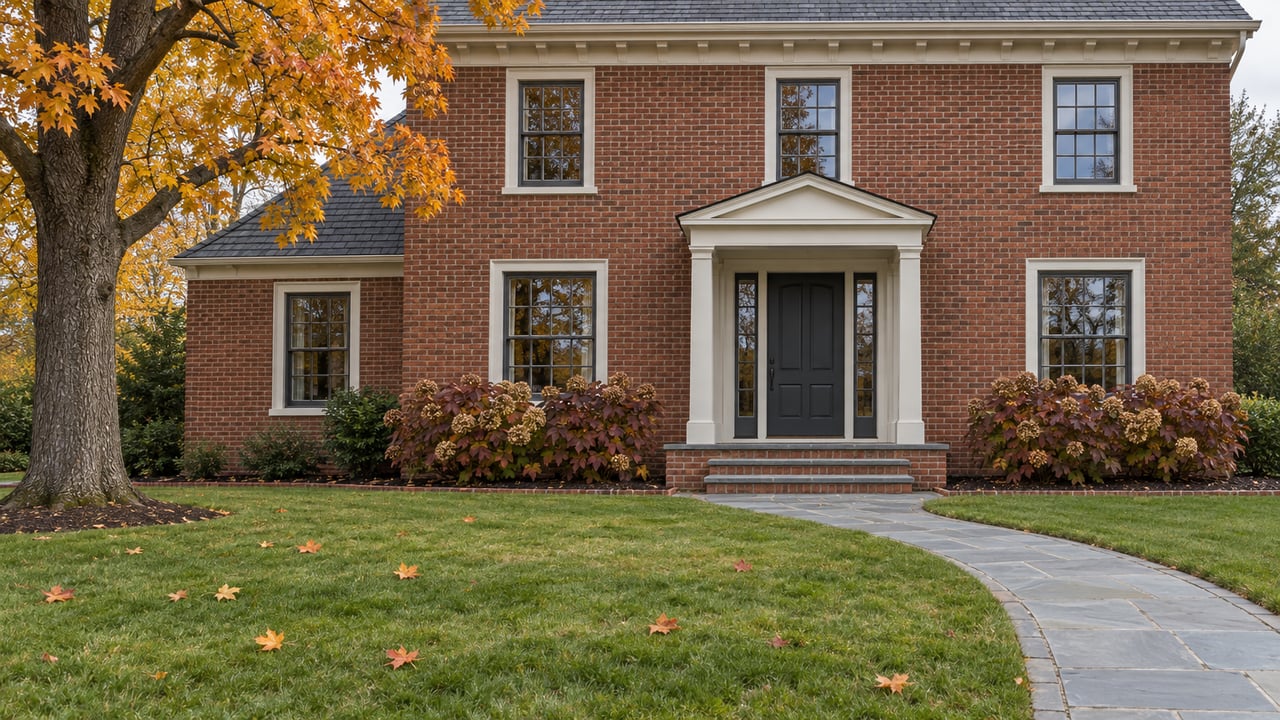
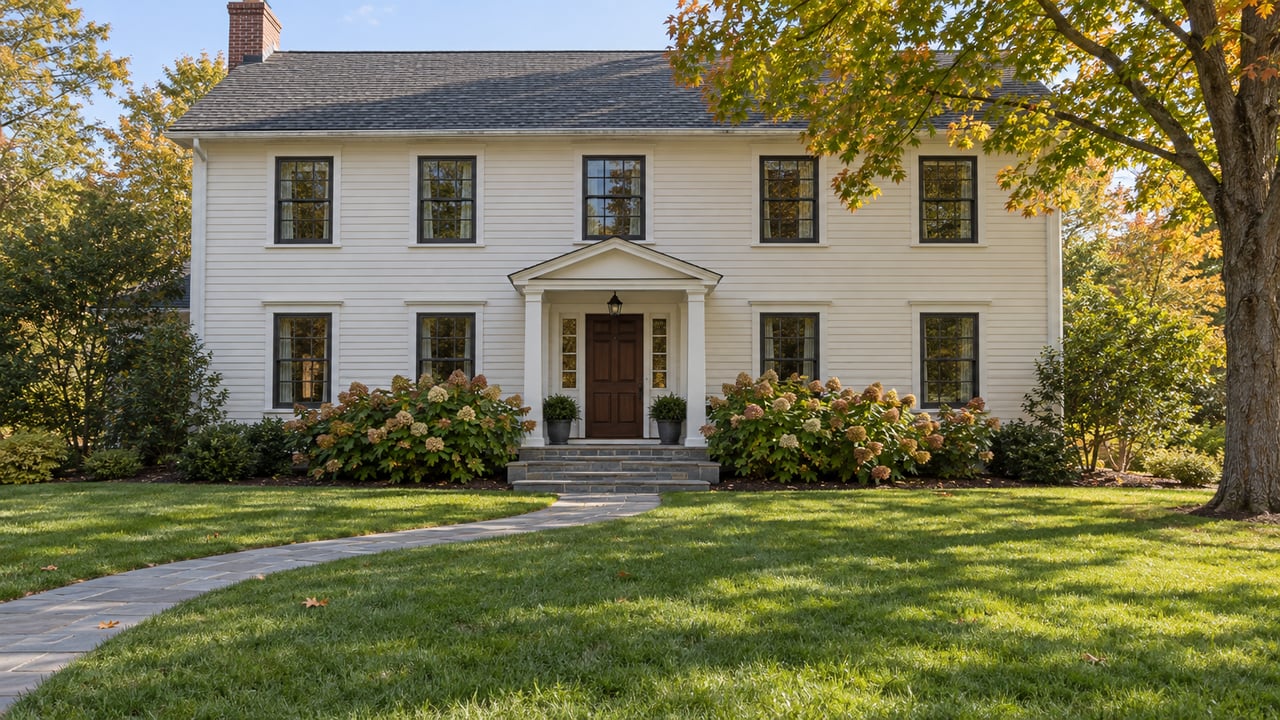
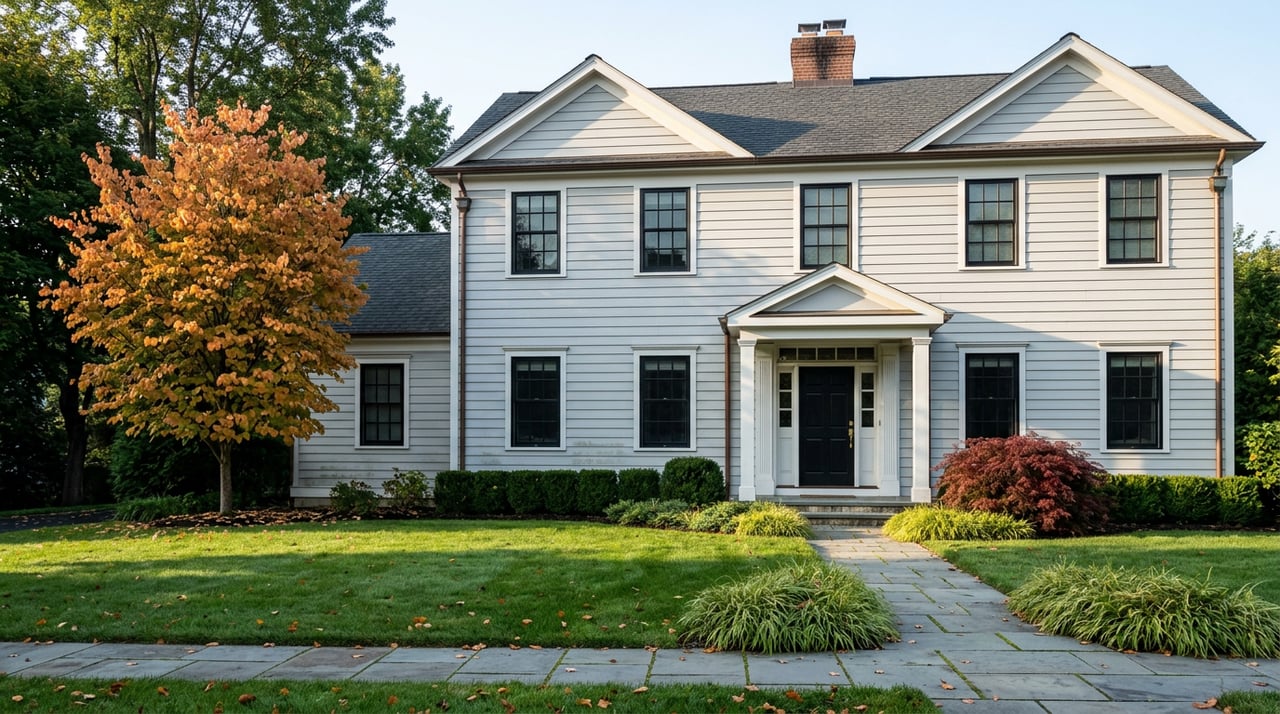
Expect a mix of late‑18th and 19th‑century stone or timber homes, Victorian and Gothic Revival touches on notable properties, and many mid‑century center‑hall colonials and Cape or Dutch‑colonial forms. Exteriors often use wood siding or original masonry. Interiors may feature plaster and lath walls, detailed trim, and masonry fireplaces.
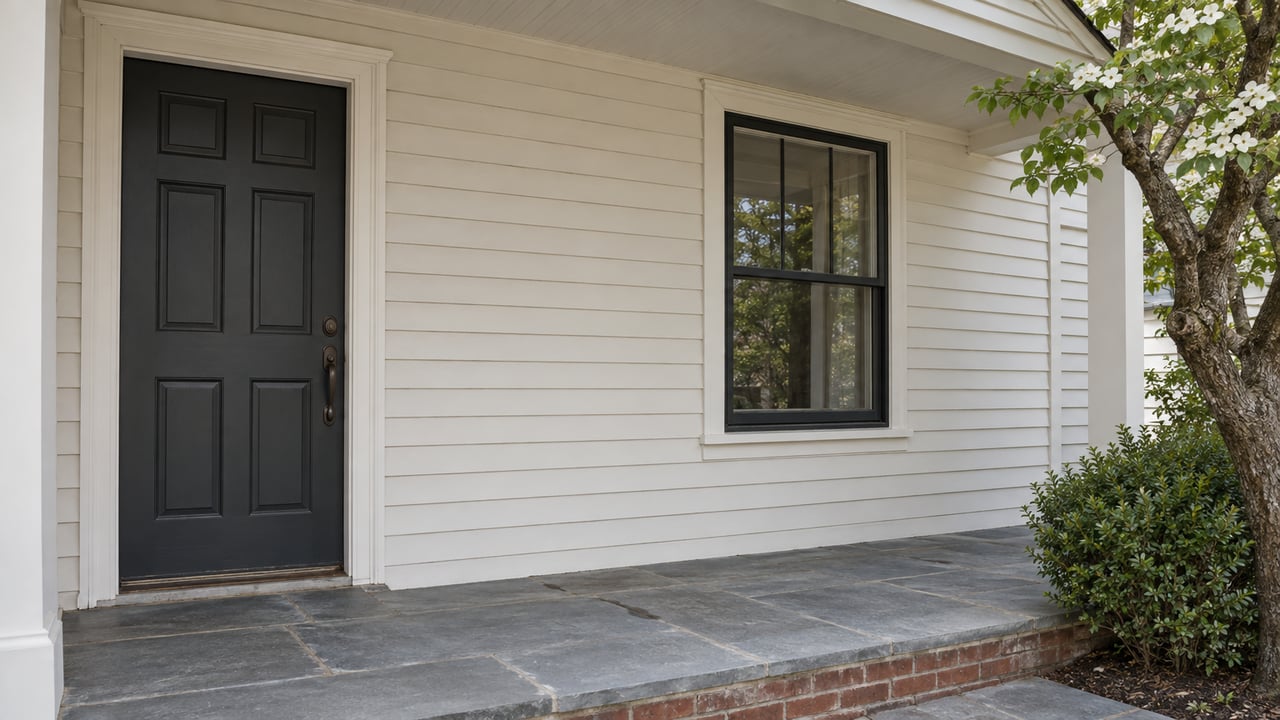
Older foundations can be stone, brick, or early concrete. That affects how you evaluate settling, mortar condition, and moisture. Many original windows are wood single‑pane sashes. You can often preserve them with repair and storm windows, or plan targeted replacements if efficiency is a priority.
On the systems side, older Ho‑Ho‑Kus homes frequently show past oil heat, legacy electrical, and mixed‑age plumbing. Even when a home now runs on gas, it may still have an abandoned underground oil tank to locate and address. Electrical service and panels can be outdated, and some panel brands are flagged by insurers. Plumbing can include galvanized steel supply lines or cast‑iron drains in older sections.
Ho‑Ho‑Kus market and ownership context
This is a high‑value Bergen County market. Property taxes are a significant part of ownership costs. Local summaries citing state data place average residential tax bills around the $19,000 range. You can see how Bergen towns compare in this property tax overview. Build taxes and insurance into your long‑term budget alongside your mortgage payment.
The essential inspection game plan
A strong inspection process lets you enjoy charm without surprises. Use this roadmap and budget for specialist follow‑ups as needed.
General home inspection
Start with a New Jersey licensed home inspection. Inspectors follow state standards and will identify safety issues, visible structural concerns, roof conditions, and accessible mechanical problems. If your inspector flags something significant, plan specialist evaluations before your inspection contingency expires. Review what NJ licensing involves to understand scope in this overview of state regulations.
Electrical evaluation by a licensed electrician
Older homes can have knob‑and‑tube wiring, fuse boxes, or problem panels. Some mid‑century panels, especially Federal Pacific or Zinsco, are widely considered safety risks and can create insurance or underwriting issues. If your inspector sees anything concerning, have a licensed electrician assess it. Learn why Federal Pacific panels are flagged in this safety explainer.
Oil‑tank sweep and environmental check
If the home ever used oil heat, a professional tank sweep is a must. Buried or abandoned tanks can leak and trigger costly remediation. Lenders and insurers often require documentation or removal. Read more about New Jersey’s oil tank practices in this oil‑tank guide.
WDO/termite inspection
Lenders commonly require a termite inspection. It checks for wood‑destroying insects and related damage. If there is an active issue, you will need treatment and may need structural repairs.
Sewer‑scope camera inspection
Older laterals can be cast iron or clay. A quick camera scope can reveal roots, collapses, or offsets before you own the problem. It is a relatively small cost compared to excavation or replacement.
Chimney and fireplace inspection
Many classic homes have masonry chimneys. A chimney professional can check the flue, liner, mortar, and cap, and advise what it would take to meet current safety standards.
Radon test
The EPA recommends testing every home, regardless of region. Short‑term tests are inexpensive and mitigation is straightforward if levels are elevated. Get the basics from the EPA’s radon resources.
Lead paint and asbestos planning
If a home was built before 1978, federal law requires a lead‑paint disclosure in your transaction. Use EPA lead‑safe practices for any renovation that disturbs painted surfaces, and test suspect materials before demolition. Review the rules in the EPA’s lead disclosure guide.
Structural engineer when needed
If you see major foundation cracks, sloping floors, chronic water intrusion, or large unpermitted additions, add a structural engineer to your team. Lenders may require an engineer’s letter for significant structural items.
Three common surprises in older Ho‑Ho‑Kus homes
- Hidden oil tanks. Even if a home now runs on gas, an old underground tank may remain on the property. A tank sweep can prevent a major environmental and financial surprise. See New Jersey‑specific context in the oil‑tank regulations guide.
- Electrical panels insurers dislike. Known‑problem panels like Federal Pacific can complicate insurance binding and closings until replaced. Learn why in this electrical panel safety article.
- Termite damage in unseen areas. Lenders often require a termite inspection, and remediation can be simple when caught early. The key is to test, then budget for any repairs.
Budgeting for upgrades and repairs
Every house is unique, but you can set realistic expectations. Labor and permit costs in the tri‑state area often trend above national averages, so build a 10 to 25 percent contingency into your plan.
- Home inspection and key tests. A general home inspection commonly runs a few hundred dollars based on house size and age. Termite letters are typically a smaller add‑on. Sewer scopes are also a relatively low cost for high peace of mind.
- Electrical updates. Upgrading an older 100‑amp panel to a modern 200‑amp service, or replacing a flagged panel, often runs in the low thousands to several thousand dollars depending on service and permitting.
- Windows. Replacing single‑pane wood sash with insulated units varies widely by size and finish. Many buyers choose to repair and weather‑strip original sash or add storms to preserve character.
- Oil tank removal. Above‑ground removals are simpler. Buried tank removal with soil testing can run into the thousands and increases if contamination is found. Ask for quotes after a sweep if a tank is suspected.
- Kitchens and baths. Modest mid‑range updates can start in the low tens of thousands. Full gut renovations with high‑end finishes can reach the $50,000‑plus range per room depending on scope.
Note: Always obtain bids from licensed New Jersey contractors for accurate pricing. Confirm permits will be pulled and inspections scheduled.
Permits, zoning, and floodplain basics
Ho‑Ho‑Kus enforces the New Jersey Uniform Construction Code. Additions, structural changes, major electrical or plumbing work, HVAC replacements, and many exterior projects require permits and inspections. Before you make an offer, ask for the home’s permit history and confirm that visible renovations were approved and closed out. The borough’s Construction Department explains permitting and fees.
Parts of Ho‑Ho‑Kus are mapped by FEMA and by New Jersey’s Flood Hazard Area rules due to Ho‑Ho‑Kus Brook and the Saddle River. If a property lies in a Special Flood Hazard Area, lenders will require flood insurance and your design options for additions may be affected. Start with the borough’s hazard and floodplain study and confirm your property’s FEMA panel during due diligence.
Historically significant homes near designated sites may have added review steps. The borough documents historic resources, and large exterior changes may be subject to local review or design considerations. If preservation is part of your vision, confirm whether any local or state requirements apply.
Financing and insurance factors that affect offers
Most lenders require homes to be safe, sound, and secure. Appraisers and underwriters can call for repairs if they see active roof leaks, significant structural issues, unsafe electrical conditions, termite damage, or evidence of a leaking oil tank. For government‑backed loans, these rules can be stricter. Read an overview of common underwriting red flags in this buyer‑friendly guide.
Homeowners insurance can also affect your closing. Some carriers will not bind coverage on homes with known‑problem electrical panels or undocumented underground oil tanks until they are addressed. If your inspections reveal any such issues, get an insurer’s conditional binder and contractor estimate early so you can structure your offer and timeline accordingly.
Due‑diligence checklist for Ho‑Ho‑Kus buyers
Use this quick sequence to stay organized:
- Ask for the seller’s permit and repair history plus recent utility bills. Confirm municipal water and sewer connections.
- Book a NJ‑licensed home inspection. Add specialists for electrical, HVAC, chimney, and a sewer scope if the home is older.
- If the home is pre‑1978, get the required lead‑paint disclosure and plan to use EPA lead‑safe practices for any paint disturbance. Review the EPA lead disclosure rules.
- If oil heat is present or suspected historically, order a professional oil‑tank sweep and, if indicated, soil testing. Read about NJ oil‑tank practices.
- Order a termite inspection. If there are plumbing or drainage concerns, add a sewer scope.
- Test for radon in all cases. Learn more from the EPA’s radon guidance.
- Obtain contractor bids for all material issues the inspector flags. Confirm that licensed NJ contractors will pull the right permits and schedule inspections with the Construction Department.
- Check the property’s flood zone and verify any elevation or flood insurance requirements using the borough’s hazard study, then get insurance quotes early.
Make a confident offer on a classic home
With the right due diligence, you can capture the charm Ho‑Ho‑Kus is known for while protecting your budget. Focus your offer strategy around verified findings. If inspections reveal safety or environmental items, you can request seller repairs, credits, or price adjustments, or set up an escrow if allowed by your lender. When homes are well maintained with documented permits, you can move quickly and confidently.
If you want a calm, data‑driven path to an older home in Ho‑Ho‑Kus, let’s talk. As your buyer representative, we help you evaluate value, time inspections, and negotiate a clear outcome that fits your goals. Reach out to Till Horkenbach to get started.
FAQs
What defines a “classic” Ho‑Ho‑Kus home?
- Typically a pre‑war or mid‑century property with original exterior materials, wood windows or trim, plaster walls, and masonry fireplaces, often reflecting colonial, Victorian, or Gothic Revival roots documented by the borough.
How old is the housing stock in Ho‑Ho‑Kus?
- The borough’s housing plan cites a median build year in the 1950s and notes a large share of homes more than 50 years old, which aligns with what buyers see in the market.
Do I need an oil‑tank sweep if the home now uses gas?
- Yes, if the home previously had oil heat. Abandoned underground tanks are a known regional issue, and a professional sweep is a routine, smart step before you close.
Are Federal Pacific electrical panels a dealbreaker for insurance?
- Many insurers will not bind or will condition coverage on replacement due to safety concerns. If one is present, plan to secure an electrician’s estimate and confirm insurer requirements.
What permits will I likely need for updates in Ho‑Ho‑Kus?
- Additions, structural changes, major electrical or plumbing work, HVAC replacements, and many exterior projects require permits and inspections under the NJ Uniform Construction Code.
How do flood zones affect buying a Ho‑Ho‑Kus home?
- If a home is in a FEMA Special Flood Hazard Area or a NJ flood hazard area, lenders will require flood insurance and the town may have elevation standards for renovations or additions.