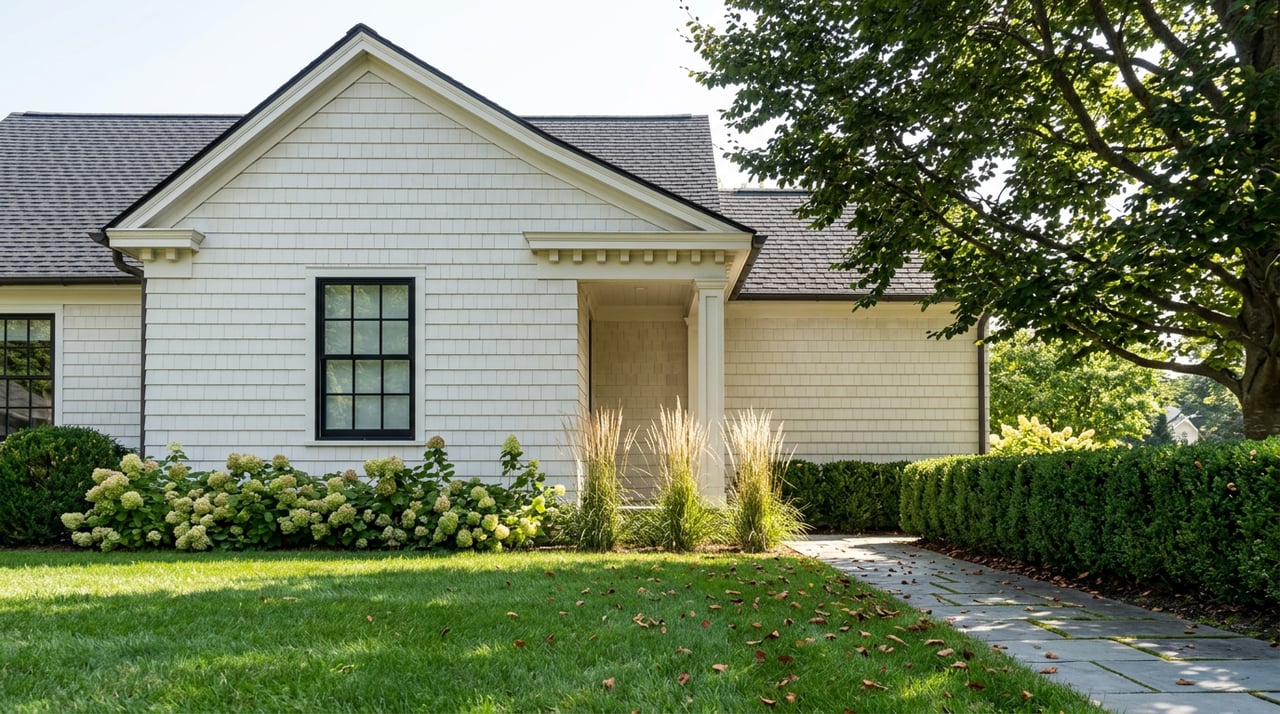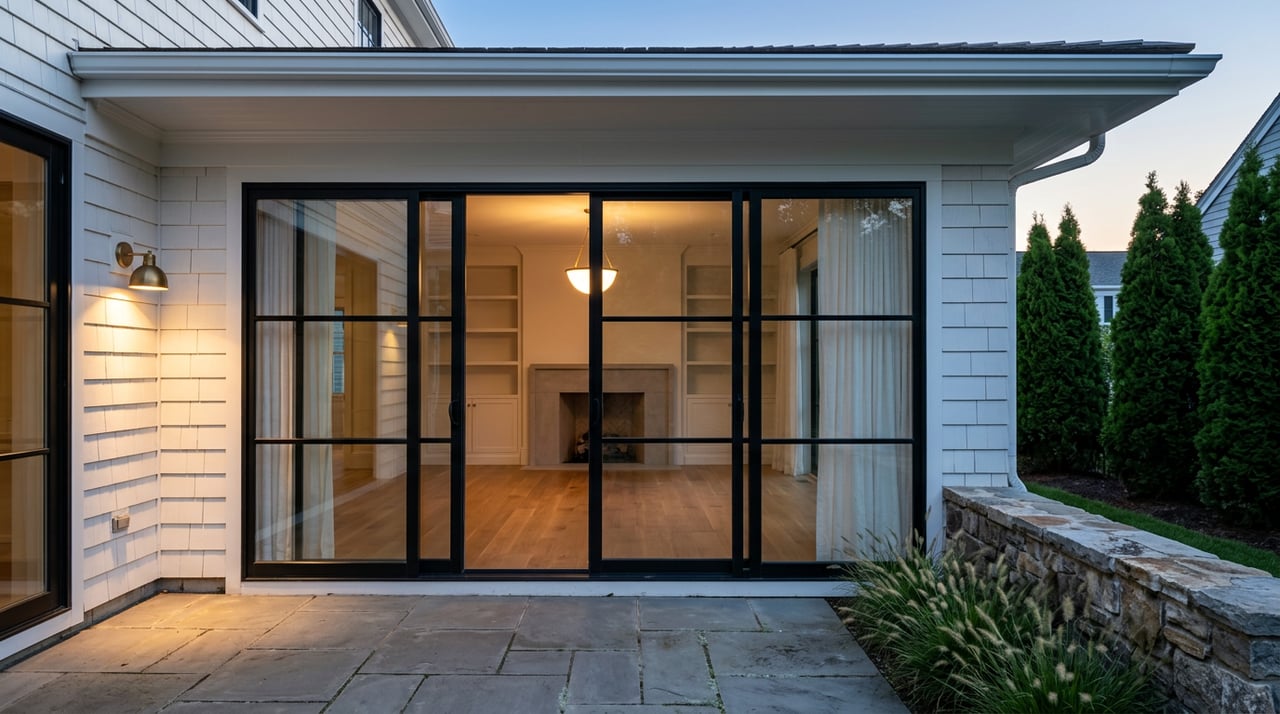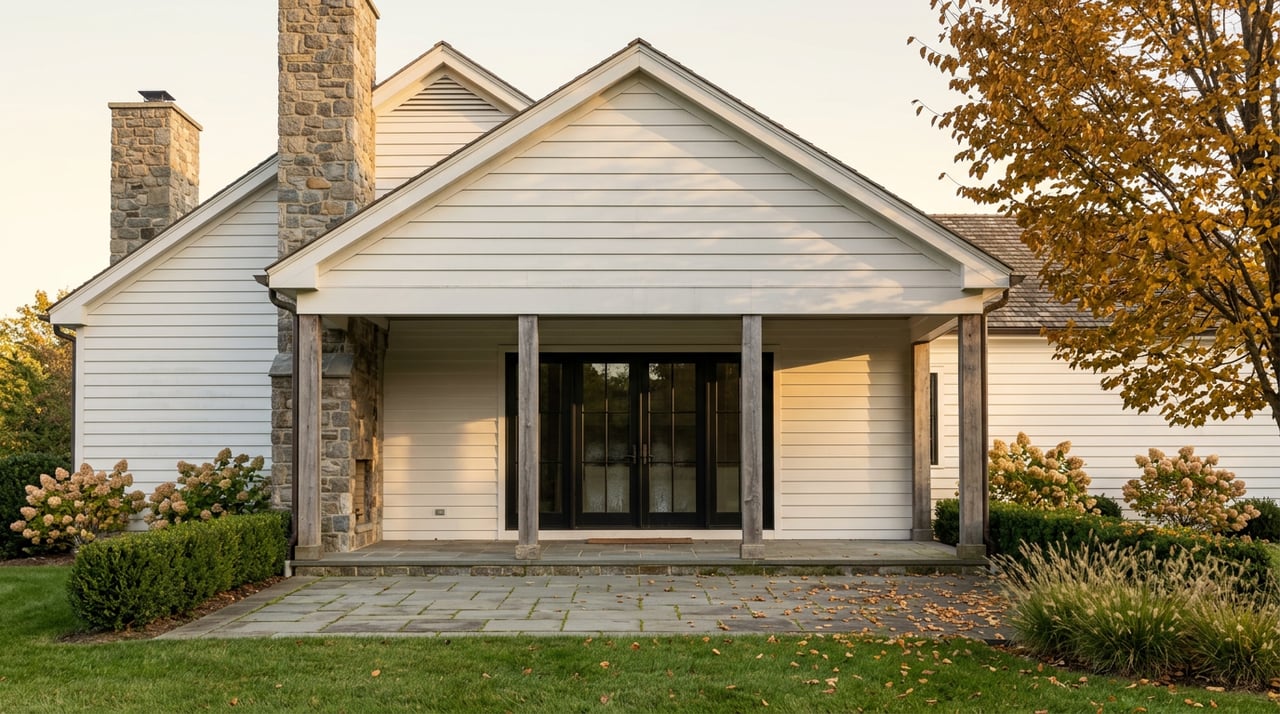
Most buyers walking through an older Ridgewood Colonial assume the word "historic" is something that happens to somebody else's house, the one with the plaque by the front door a few blocks over. They picture a landmark, not the four-bedroom center hall they're about to compete for. That assumption is the most expensive misunderstanding in a Ridgewood renovation budget, and it rarely surfaces until after the closing table.
The Village doesn't define "historic" the way buyers do. It defines it by a boundary line and a public street. If a home sits inside the Village Center Historic District, or carries its own individual historic designation, any exterior change visible from that street triggers a second review process that runs on its own calendar, separate from the building permit everyone expects to pull. Most buyers don't learn this until they're already unpacking and calling a contractor about the porch.
Two Approval Tracks, Two Different Clocks
Every home renovation in New Jersey runs through the state's Uniform Construction Code. A local building department has to act on a complete permit application within 20 business days. That timeline applies everywhere in the state, whether the house was built last year or in 1910.
Ridgewood layers a second process on top of that for a defined set of properties. Under the Village's preservation ordinance, the Historic Preservation Commission has 45 days to report back on any application involving demolition, relocation, or a change in exterior appearance that's visible from a public street. That report has to happen before work on the covered item can begin.
In practice, these two clocks don't run side by side. The preservation review sits in front of the construction permit, not next to it. A homeowner planning a new porch railing, a facade change, or a swap in window style on a covered property should plan for the two timelines to stack, which can mean six or seven weeks of review before a shovel or a contractor's ladder shows up, longer than most buyers budget for when they're picturing a spring move-in.
What Actually Trips the Second Clock
The ordinance isn't shy about what counts. It lists windows, doors, surfaces, facades, stairs, steps, porches, walls, fences, antennas, solar panels, lighting, signs, and sidewalks as exterior elements subject to review if a change to any of them would be visible from the street.
| Usually exempt from HPC review | Requires an HPC report before work begins |
|---|---|
| Interior renovations and layout changes | Additions, new construction, or demolition |
| Identical window or door replacement in the same opening | Any window or door change that alters appearance |
| Repainting in the same color | Porches, steps, fences, or wall changes |
| Ordinary like-for-like maintenance | Solar panels, exterior lighting, signage |
The gap between those two columns is where most buyers get surprised. A homeowner who assumes "we're just updating the windows" can find themselves filing a preservation application instead of simply calling a window installer, depending on whether the new units change how the house reads from the sidewalk.
Why This Catches Ordinary Buyers, Not Just Mansion Owners
Ridgewood's housing stock skews old. Roughly 37 percent of homes in the village were built in 1939 or earlier, and the majority of the housing stock is more than 50 years old. That age shows up across the village in different forms: the pre-1930 homes in the Heights section with their New York skyline views, the Tudor and Spanish Revival houses built on the grounds of the former Old Country Club, and the pre-1900 Victorians along Brookside Avenue.
Age alone doesn't put a house under HPC review. Location does. The Village Center Historic District has a defined boundary, and a number of individual properties carry their own historic designation regardless of where they sit, including the Ackerman House on Doremus Avenue and the Archibald-Vroom House on East Ridgewood Avenue, both listed on the National Register of Historic Places. A 1948 Cape in a postwar section like the Lawns may never touch this process. A 1920s Tudor two streets over, inside the district boundary, will.
That's the real mechanism buyers miss. They're evaluating a house by how old it looks, when the Village is evaluating it by a map they've never pulled up.
The Current Market Doesn't Leave Time to Check
This would be a minor footnote in a slow market. It isn't one right now. In the three months ending June 2026, Ridgewood's median sale price reached $1.8 million, up sharply from the same period the year before, with homes averaging around 53 days from list to contract and frequently drawing multiple offers, according to Redfin's tracking of local MLS activity. Buyers competing at that pace are often deciding within days, sometimes waiving contingencies to stay competitive.
A buyer moving that fast rarely has the week it takes to confirm whether a specific address sits inside the historic district before writing an offer. They find out afterward, usually while pricing out the exterior work they assumed would start the week after closing.
Before You Write the Offer
A few steps make the difference between planning around this and getting caught by it.
- Ask before you finalize offer terms whether the address sits inside the Village Center Historic District or carries an individual designation. This is a factual question the Village can answer and one your agent should be asking on your behalf.
- Sort your renovation wish list into what's visible from the street and what isn't. Interior work moves on the standard permit clock. Anything facing the sidewalk may not.
- If your move is tied to a lease end date or a school year, treat the 45-day preservation review as a fixed part of your timeline rather than a worst-case scenario you're hoping to avoid.
- Raise it with your attorney during attorney review, particularly if the listing mentions recent exterior work, since that can indicate whether a preservation application has already been filed or completed on the property.
A Few Questions Worth Asking Directly
Does repainting the house the same color require HPC review? No. Same-color repainting is treated as ordinary maintenance and exempt from commission review under the Village's application materials.
What about solar panels? Solar panels are named specifically in the ordinance as an exterior element subject to review if the property is in the historic district or individually designated, even though they're often framed elsewhere as a straightforward efficiency upgrade.
Can the 45-day review be expedited? Nothing in the Village's preservation code points to a faster track. The more reliable approach is building the timeline around it from the start rather than hoping to shorten it after the fact.
Does this affect resale as much as it affects renovation? It shapes both. A buyer who understands what can and can't change quickly on a given property is in a stronger position to evaluate whether that home fits their actual plans, not just its curb appeal on tour day.
Ridgewood's older housing stock is a large part of what makes the village worth the competition it draws every season. But a house that photographs like a storybook Colonial can carry a review process most buyers never think to ask about until they're already holding the keys. Before you write an offer on an older Ridgewood home with renovation plans attached, it's worth having someone confirm exactly which clock you're on.
If you're weighing a purchase in Ridgewood and want a clear read on what a specific property's history means for your timeline, My Bergen House can walk through it with you before you write the offer, not after.