Thinking about a home inside Ramsey Golf & Country Club? Picture a morning walk by the lake, an afternoon round on a tree‑lined course, and sunset dinner at the club with friends. The setting is beautiful, but the lifestyle comes with specific membership rules, costs, and practical details you should understand before you make an offer. In this guide, you’ll get a clear view of amenities, required dues, commute and school context, and the exact due‑diligence steps that protect you at contract. Let’s dive in.
Ramsey Golf & Country Club at a glance
Set on roughly 200+ acres with over 550 unique homes, Ramsey Golf & Country Club is organized as a membership corporation serving the residential neighborhood around the course. The club’s public materials note that annual resident membership is mandatory for homeowners in the community. Resident members are subject to monthly dues, capital assessments, and quarterly food and beverage requirements. You should treat these as recurring ownership costs unless the club provides written documentation to the contrary. You can request full details directly from the club’s office via the official membership page.
Amenities and lifestyle
Golf and racket sports
The 18‑hole layout is the community’s signature amenity, providing league play, tournaments, and a full pro‑shop experience. Local coverage notes that the current 18‑hole configuration was completed in the 1990s and anchors the social rhythm of the neighborhood. For a concise overview of the course and club history, review the NJGOLF listing for Ramsey Golf & Country Club. Beyond golf, the club runs platform tennis on three heated courts in the winter season and offers a summer pickleball program.
Pool, beach, and lake time
Warm‑weather months revolve around the club’s lakefront beach and seasonal pool complex. Families enjoy a casual, social scene anchored by swim time, lakeside lounging, and easy access to food and drink. These amenities are open to members during the season as outlined in the club’s house program and benefits.
Dining and community events
From the Lakeside Grille to the formal Abbey dining room, the club supports everyday meals and special occasions. You’ll also find a full calendar of wine dinners, holiday events, and private functions. The banquet and ballroom spaces host member events throughout the year, making it a true year‑round social hub.
Membership basics and costs
Here is the most important point for buyers: resident membership is mandatory for homeowners within the club neighborhood, and it includes ongoing financial obligations. The club’s public page confirms monthly dues, capital assessments, and quarterly food and beverage minimums for resident accounts. Exact initiation, transfer, and dues figures are not posted online; the club invites you to request a written membership packet for current fees and policies on the membership page.
In recent sales, listing language often states “membership required,” and it is common to see sellers offer a credit toward the membership initiation or transfer fee as part of negotiation. Treat those items as line‑items you can structure in your offer. Always confirm proration rules for dues and minimums at closing so there are no surprises on your first member statement.
Homes, prices, and what drives value
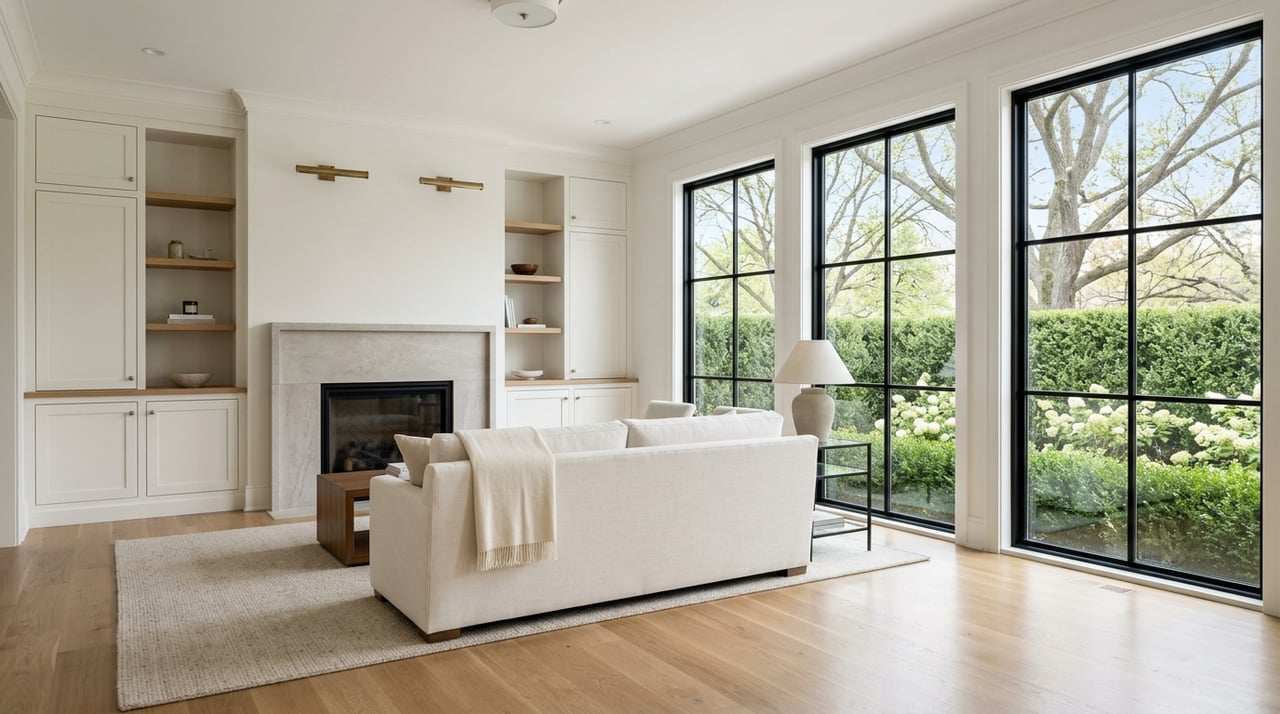
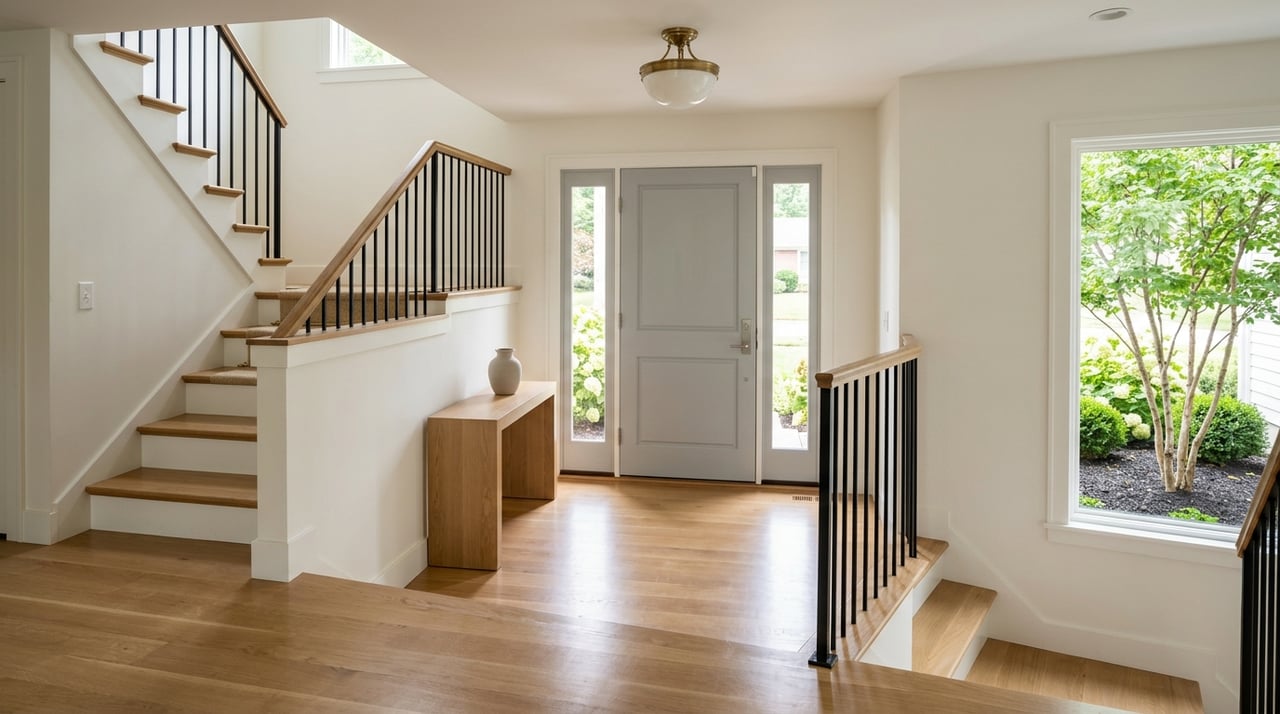
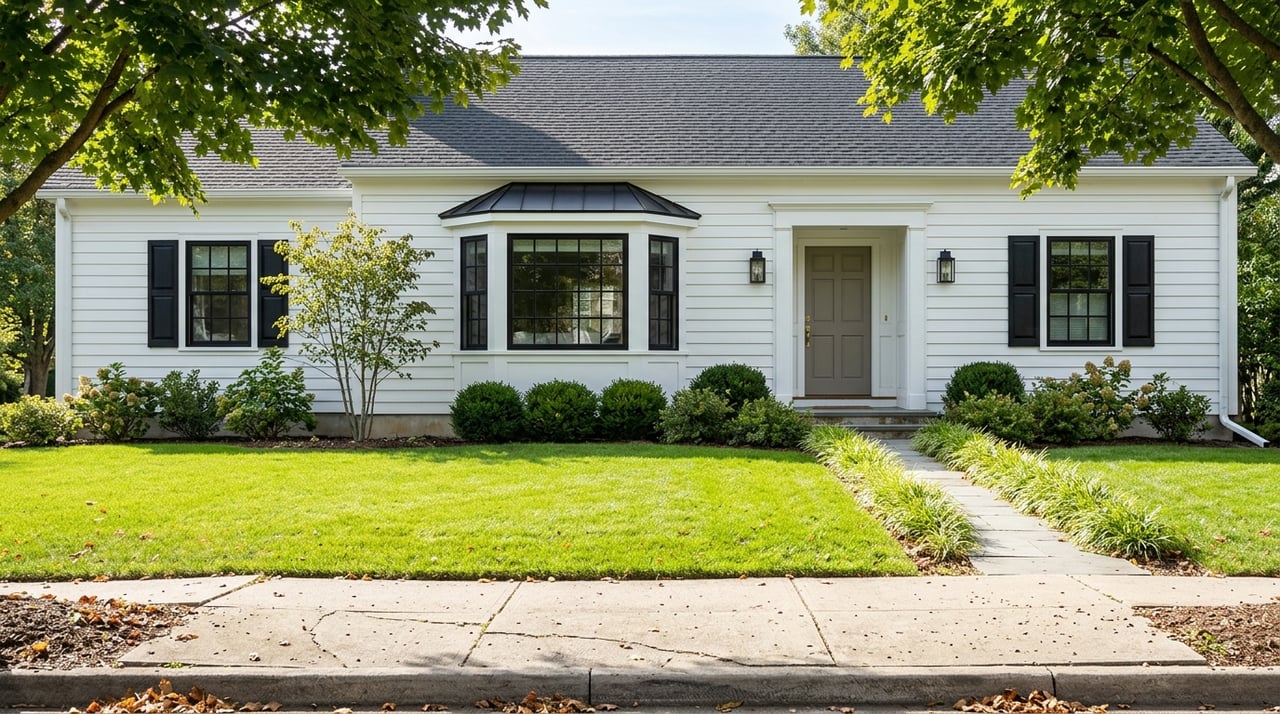
Inside the neighborhood you’ll see a mix of classic colonials, expanded ranches, bi‑levels, and larger executive properties on varied lot sizes. Many homes emphasize course‑side settings, lake proximity, and deep yards. Interior finishes range from original mid‑century details to fully renovated, luxury‑level spaces.
Across public sources for the 07446 zip code, Ramsey’s median home prices in 2025–2026 often fall in the roughly 700k–900k range. Within the club, sales can be below or above town medians depending on lot, square footage, renovation level, and course or lake views. Homes with premium settings and updated interiors tend to trade at the higher end.
Recurring ownership costs to budget
When you build your monthly and annual budget, include the following categories:
- Property taxes. Ramsey property taxes are materially higher than the U.S. median, and effective rates in the area often run near the 2.6% range of assessed value. That translates to five‑figure annual bills for many homes. For context, see Ramsey tax trends on Ownwell’s Bergen County page.
- Club dues and fees. Resident membership includes recurring dues, capital assessments, and quarterly food and beverage minimums. Confirm the current schedule in writing with the club via the membership page.
- HOA or neighborhood fees. Some properties show a separate monthly association fee for common‑area maintenance, while others do not. Verify on a property‑by‑property basis.
- Insurance, maintenance, and potential assessments. Ask for recent budgets and any reserve studies if there is an HOA, and inquire about the club’s capital plans and assessment history. Industry guidance recommends reviewing reserve studies to gauge future costs; learn why these documents matter in this overview of HOA reserves from a real estate law resource (reserve study guidance).
Commute and convenience
Train options to NYC
Ramsey offers two NJ Transit stations on the Main and Bergen County lines: Ramsey Main Street and Ramsey Route 17. Trains connect through Secaucus Junction, with general planning times often around 35 to 40 minutes to Secaucus and about an hour to Midtown via transfer. Always check current schedules for your commute window. You can review station details and resident parking information on the NJ Transit page for Ramsey Main Street.
Highways and shopping
You are close to the Route 17 corridor and within convenient driving distance of major retail in Paramus. That mix makes daily errands easy and supports a commuter lifestyle to northern New Jersey employment centers.
Schools and education
Ramsey homes are served by the Ramsey Public School District. Third‑party rating services generally show strong performance at Ramsey High School. For a snapshot of current public data and reviews, you can browse Niche’s profile for Ramsey High School. Attendance boundaries and performance metrics can change over time, so verify details directly with the district as part of your decision.
What to ask before you write an offer
Use this checklist to protect your interests and avoid surprises:
Club and membership documents
- Ask if resident membership is legally mandatory for the specific parcel and whether any covenant is recorded in the deed or community documents. Request the recorded deed and any covenants or restrictions.
- Request the full club packet in writing: initiation and transfer fees, monthly and annual dues, cart fees, quarterly F&B minimums, assessment history, and whether there is a waiting list or board approval requirement. Start with the club’s membership page.
- Confirm whether there are one‑time transfer or processing fees at closing and how dues are prorated. Require a current member ledger from the seller showing the account status.
- Ask about any pending capital projects or planned assessments. Request board minutes or a capital plan that documents approvals.
HOA or neighborhood association items
- Determine whether the property is part of a separate HOA. If yes, request CC&Rs, bylaws, current budget, the last two years of financials, the reserve study, and recent meeting minutes. Confirm what the fee covers.
- Ask for disclosure of any liens, unpaid assessments, or litigation that could affect the property or association.
Purchase contract protections
- Add a membership contingency to your offer. Give yourself time to receive and review the written club packet and to secure any required approvals.
- Negotiate who pays the initiation or transfer fee. Options include buyer‑paid, seller‑paid, or a fixed seller credit. Itemize any credit in the contract and escrow instructions.
- Specify proration mechanics for dues and quarterly F&B minimums at closing and clarify the membership transfer process.
Property, insurance, and rules
- Ask whether the club or HOA requires specific insurance levels for residents or events and whether there are rules on fencing or screening that affect privacy near fairways.
Practical liveability checks
- Learn the course maintenance schedule to understand early‑morning noise and seasonal patterns.
- Review guest rules and parking during events, and make sure the home’s driveway and street parking suit your lifestyle.
Buying and negotiating tips for club homes
- Request fees in writing. Do not rely on rumor. Ask the club for the current initiation, dues, and minimums schedule in a written packet.
- Use a membership contingency. Protect your deposit while you review club terms and any approvals.
- Leverage concessions thoughtfully. It is common for sellers to help with initiation or transfer fees. Structure any credit clearly in the offer and confirm the club’s process for new applications.
- Budget holistically. Include property taxes, club dues, potential HOA fees, insurance, and routine maintenance when you assess affordability.
- Confirm proration and timing. Align closing dates with dues cycles and F&B minimums so you are not caught mid‑cycle without a plan.
Is Ramsey Golf & Country Club right for you?
If you want a golf‑and‑lake lifestyle with an active year‑round social calendar, this community delivers. You get on‑site dining, seasonal pool and beach access, winter paddle leagues, and a resident network that tends to connect quickly. You also take on mandatory membership costs that should be weighed alongside mortgage, taxes, and maintenance.
Touring a few homes, reviewing the club packet, and riding the train during your target commute window can clarify the fit fast. If the amenities match your routine and the numbers align with your budget, you will likely find a strong long‑term value in a setting that feels like a private retreat.
Ready to explore homes inside Ramsey Golf & Country Club or want a second set of eyes on the membership documents? Reach out to Till Horkenbach for a private consult. We’ll map your wish list, coordinate tours, and help you negotiate a clear, confident purchase.
FAQs
Is resident membership mandatory at Ramsey Golf & Country Club?
- Yes. The club’s site states annual resident membership is mandatory for homeowners, with monthly dues, capital assessments, and quarterly F&B requirements; confirm current terms in the written packet.
What amenities do members use most at Ramsey Golf & Country Club?
- Core amenities include the 18‑hole golf course, seasonal pool and lakefront beach, multiple dining venues, platform tennis with heated courts, and a summer pickleball program.
How are club fees and dues handled at closing for a home purchase?
- Ask the club how dues and quarterly minimums are prorated, confirm any one‑time transfer or processing fees, and require a current member ledger from the seller to verify the account status.
What should I budget beyond my mortgage for a club home in Ramsey?
- Plan for property taxes that often reach five figures, resident club dues and minimums, any HOA fees if applicable, homeowners and umbrella insurance, maintenance, and potential special assessments.
How long is the commute from Ramsey to Midtown Manhattan by train?
- With a connection at Secaucus Junction, many riders plan for about 35–40 minutes to Secaucus and roughly an hour to Midtown; always verify current NJ Transit schedules for your timeframe.
Are Ramsey schools highly rated, and how do I verify?
- Third‑party sites generally rate Ramsey High School well; for current public data you can review Niche and then confirm attendance zones and details directly with the district.