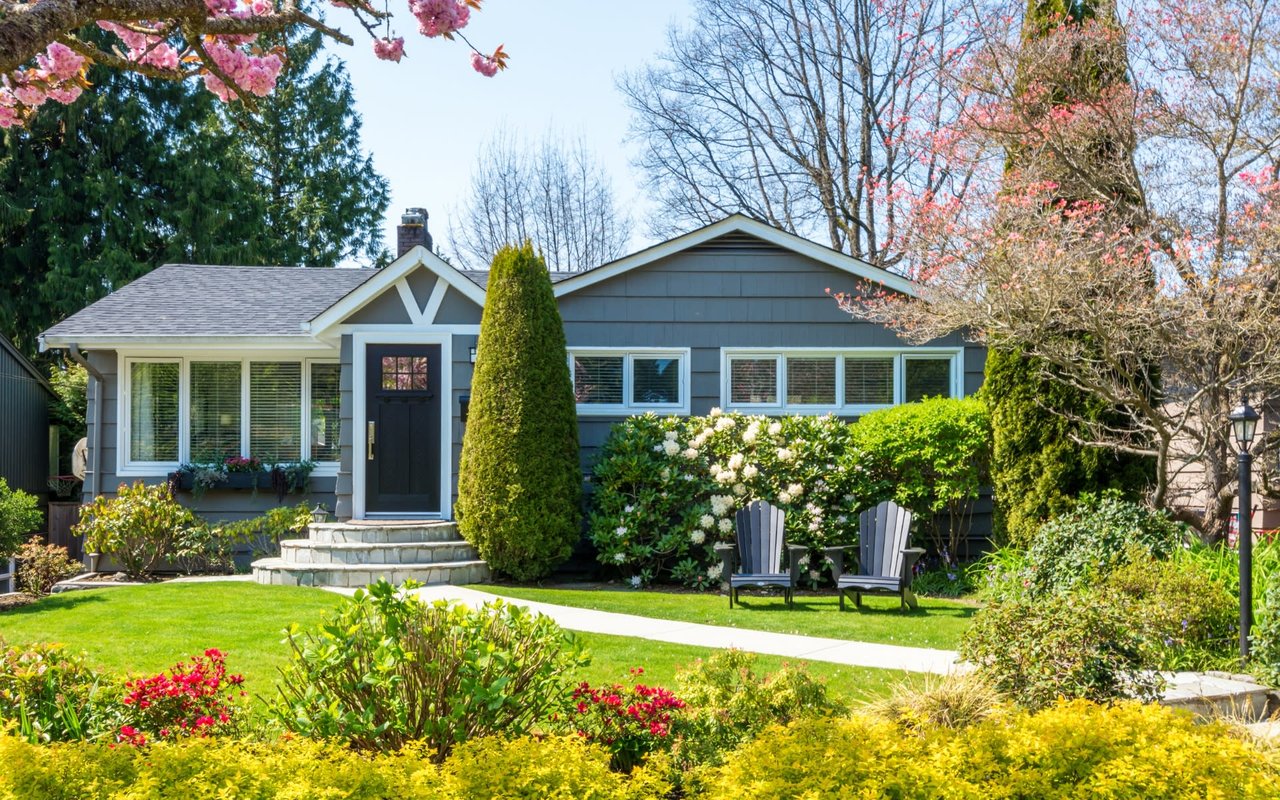
Are you seeing great homes in Ramsey go under contract before you can blink? You’re not alone. In a suburb with a great downtown, train line and a high share of single-family homes, the best listings can draw multiple offers. You want to stand out without taking on unnecessary risk. In this article, you’ll learn how to structure a strong, well-rounded offer that competes on more than price while protecting your interests. Let’s dive in.
Why Ramsey offers are competitive
Ramsey sits within Bergen County and the New York metro area, where many buyers value suburban living with commuter options. When inventory tightens in specific price points, demand can concentrate on well-priced homes. That is when multiple offers are most common.
Mortgage rates have been elevated since 2022, which trimmed buying power for some. Even so, entry-level and move-up segments can still be active when a home shows well and is priced right. In these moments, sellers weigh more than price. Certainty, timing, and clean contingencies can tip the scales.
Build a complete offer strategy
A winning offer balances price, terms, and risk controls. Working with an experienced agent to help advise and structure your offer will make a difference in whether you are able to win your dream house. Below is a high level overview of some things to consider to tailor your approach to each property and seller.
Price and earnest money
Your earnest money deposit shows commitment. In Bergen county, typical ranges are about 5 to 10 percent of the price, with some buyers going higher in competitive cases. In New Jersey, the contract should name who holds the deposit in escrow, how it is handled, and when it can be released.
Increasing the deposit can strengthen your offer without changing the price. It also increases your exposure if you default outside of allowed contingencies. Make sure you are clear on refund conditions, notice timelines, and cure periods before you commit. All of which will be covered during the attorney review period.
Financing strength that inspires confidence
A verified lender pre-approval is far stronger than a basic pre-qualification. If possible, pursue a pre-underwritten approval, where the lender has reviewed your income and assets and is largely waiting on the appraisal. Include your lender’s contact information with the offer.
You can also shorten the financing contingency window if your lender can move quickly. This improves certainty for the seller, but it raises risk if underwriting runs long. Only shorten timeframes your lender can support.
For larger deposits or cash offers, include proof of funds. Redact account numbers as needed while showing that funds are available.
Appraisal gap options
If you finance the purchase, the lender will order an appraisal. If the appraised value comes in below the contract price, the lender will not finance the difference. You have three common paths to show strength:
- Appraisal gap guarantee. You agree to cover a defined shortfall up to a set amount or percentage. For example: “Buyer agrees to pay up to $20,000 toward any appraisal shortfall between contract price and appraised value, in addition to the down payment and financing.” You keep termination rights if the gap exceeds the cap.
- Waive the appraisal contingency. This is high risk unless you are paying cash or hold substantial reserves. A hybrid version might read: “Buyer waives the appraisal contingency but only up to an additional $10,000 beyond the agreed purchase price; if appraisal is lower by more than $10,000, buyer may terminate.”
- Hybrid gap with negotiation. You agree to cover the first portion of any gap and then revisit terms if the gap is larger.
Define the exact mechanics in writing. State the cap and whether you must close regardless. Confirm with your lender that the structure fits underwriting.
Use an escalation clause wisely
An escalation clause can automatically increase your offer over a competing offer up to a defined cap. It can help you avoid overpaying while staying in the lead.
Key design points include the increment, the maximum price, a requirement for proof of a bona fide competing offer, and any exclusions such as all-cash offers or offers with seller concessions. A clear structure might read: “Buyer offers $X purchase price, and will increase by $Y above any bona fide written competing offer, up to a maximum purchase price of $Z. Seller shall provide a copy of the competing offer, redacted for personal information, to verify. This escalation does not apply to offers that are all-cash or that require seller concessions greater than $A.”
Not every seller accepts escalation clauses. Some prefer the highest straight price. Ask the listing agent before you rely on an escalation.
Inspection and other contingencies
Right-size your inspection
A standard inspection contingency gives you time to inspect and request repairs or credits. In competitive situations, you can shorten the inspection period to reduce the seller’s wait. Windows as short as 3 to 7 business days are used when buyers have inspectors ready.
Some buyers consider “informational only” inspections. This approach is risky because it limits your ability to cancel based on findings. If you choose it, do so with eyes open and a plan for potential repairs.
Title, HOA, and sale contingencies
Title review, association document review, and any sale-of-home contingencies add time and uncertainty. You can shorten review windows if your team is ready and your lender is aligned. Removing a sale contingency entirely increases strength but only if your finances allow it.
Terms that help you win
Timing and occupancy
Matching the seller’s preferred closing date shows flexibility. If the seller needs time to move, a short rent-back after closing can make your offer more attractive. Set rent, responsibility for utilities, and insurance requirements in the agreement.
Small seller wins that matter
Offer to handle simple logistics the seller might care about, such as taking on final meter readings or being flexible on minor personal property. These gestures contribute to a smoother path to closing and can differentiate your offer when prices are close.
Buyer letters and fair housing
Some buyers consider writing a personal note. Evidence on effectiveness is mixed. There are also fair housing concerns. Avoid information about personal characteristics, and focus on the property itself if you choose to include a letter.
Manage risk without losing leverage
What you are giving up when you strengthen terms
- Loss of earnest money if you default after contingencies expire.
- Extra cash at closing if you agree to cover an appraisal shortfall.
- Repair exposure if you limit inspection rights.
- Financing risk if you shorten or waive your financing contingency.
Safety checks for New Jersey transactions
- Keep inspection rights, but shorten the timeline. Arrange inspectors in advance so you can act within 3 to 7 business days.
- Use appraisal-gap language with a clear dollar cap and a defined outcome if the gap exceeds that cap.
- Ask your lender for a fast-track or pre-underwritten approval to support shorter financing timeframes.
- Choose an earnest money amount that signals commitment without exceeding your comfort level.
- Confirm who will hold escrow, when notices are due, and how funds can be released. Clarify these terms in the contract.
- Work with experienced local representation to review New Jersey-specific forms, including attorney review rights and deposit handling.
A step-by-step plan for Ramsey buyers
1) Pre-offer prep
- Secure a strong pre-approval or pre-underwritten approval from a reputable lender.
- Verify liquid funds for your deposit and any potential appraisal gap.
- Line up inspectors and have availability confirmed for the week you plan to offer.
- Decide your walk-away number and your maximum cash exposure before emotions run high.
2) Construct a competitive offer
- Put forward a clean, complete contract with all required disclosures.
- Set earnest money at a competitive level within your comfort range.
- Choose an inspection period of 3 to 7 business days if feasible.
- Define an appraisal approach: a capped gap guarantee or another structure your lender supports.
- Consider an escalation clause with a clear cap and proof requirement if the seller welcomes it.
- Match the seller’s preferred closing date and consider a short rent-back if needed.
3) Communicate clearly
- Your agent will ask what matters most to the seller: timing, certainty, inspection terms, or other factors.
- Present your lender’s contact information and invite the listing agent to confirm your financing strength.
- Keep deadlines, notices, and next steps clear in your offer cover message.
What a winning offer might look like
Here is an example framework you can tailor to a specific home and price point:
- Competitive purchase price based on recent neighborhood activity and your budget.
- Earnest money deposit in the 3 to 5 percent range to signal commitment.
- Pre-underwritten lender approval included, with contact information for quick verification.
- Inspection contingency with a 5-business-day window and inspectors already scheduled.
- Appraisal gap guarantee up to a defined dollar amount you can comfortably fund.
- Financing contingency shortened to match lender speed, without sacrificing your ability to close.
- Flexible closing date aligned to the seller’s preferred timeline, with a short rent-back if needed.
- Optional escalation clause with a clear increment, cap, proof requirement, and exclusions.
Used together, these terms can give you a measurable edge without leaving you exposed beyond your comfort level.
Get local, concierge guidance
A strong offer in Ramsey is more than a number. It is a strategy that blends financing strength, clear terms, and thoughtful risk controls that fit New Jersey practice. If you want help tailoring the right mix for your goals, reach out to Till Horkenbach or Kelly O'Brien for boutique, data-informed guidance and a smooth, confident path to closing.
FAQs
How much earnest money is strong for a Ramsey home?
- In many cases, 1 to 3 percent is common, and some buyers offer more in competitive situations. What is customary depends on price tier and current local practice.
Should I waive the appraisal contingency to win in Ramsey?
- Only if you have the funds to cover a likely shortfall or you are paying cash. Safer alternatives include a capped appraisal-gap guarantee paired with strong lender approval.
Can I use an escalation clause in New Jersey offers?
- Yes. Keep it clear with an increment, a cap, and proof of a bona fide competing offer. Some sellers prefer the highest straightforward offer, so ask first.
How short can inspection and financing timeframes be?
- Inspection windows of 3 to 7 business days are used when you have inspectors ready. Financing timeframes depend on lender speed and pre-underwriting.
What is the difference between pre-approval and pre-underwritten approval?
- Pre-approval verifies your basics and provides a conditional nod. Pre-underwritten approval offers more certainty and is often contingent mainly on the appraisal.